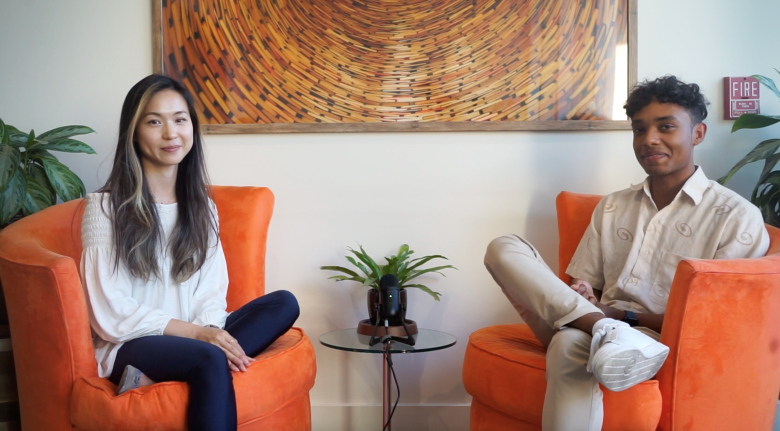
Christie Pang did not set out to rethink how early tech talent is identified. She was trying to build a company.
In the early days of Lirvana Labs, the education technology startup she co-founded in 2022, Pang focused on hiring people who could operate in a fast-moving environment. The work required more than technical skill. It required initiative, judgment, and the ability to contribute without constant direction.
“We were a startup. We needed to be agile. We needed creative folks with hustle,” she said.
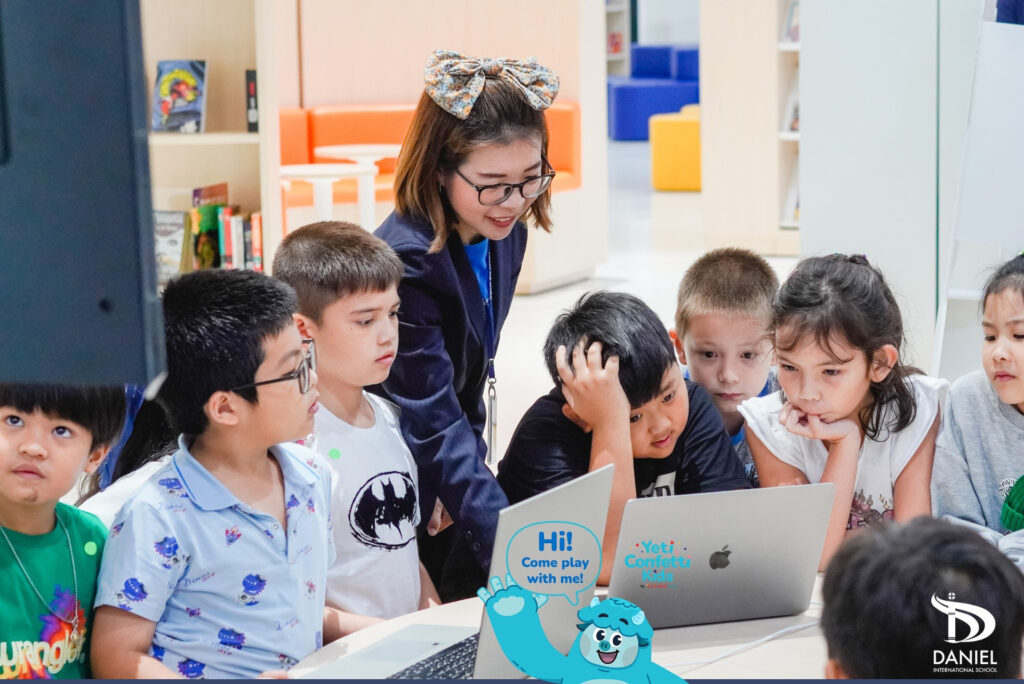
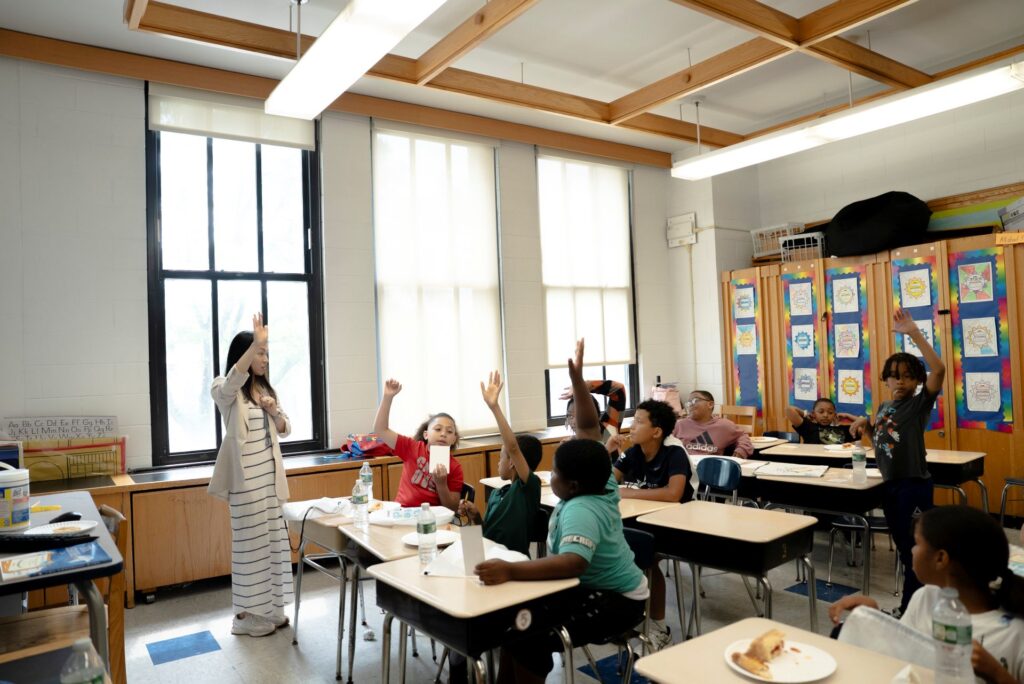
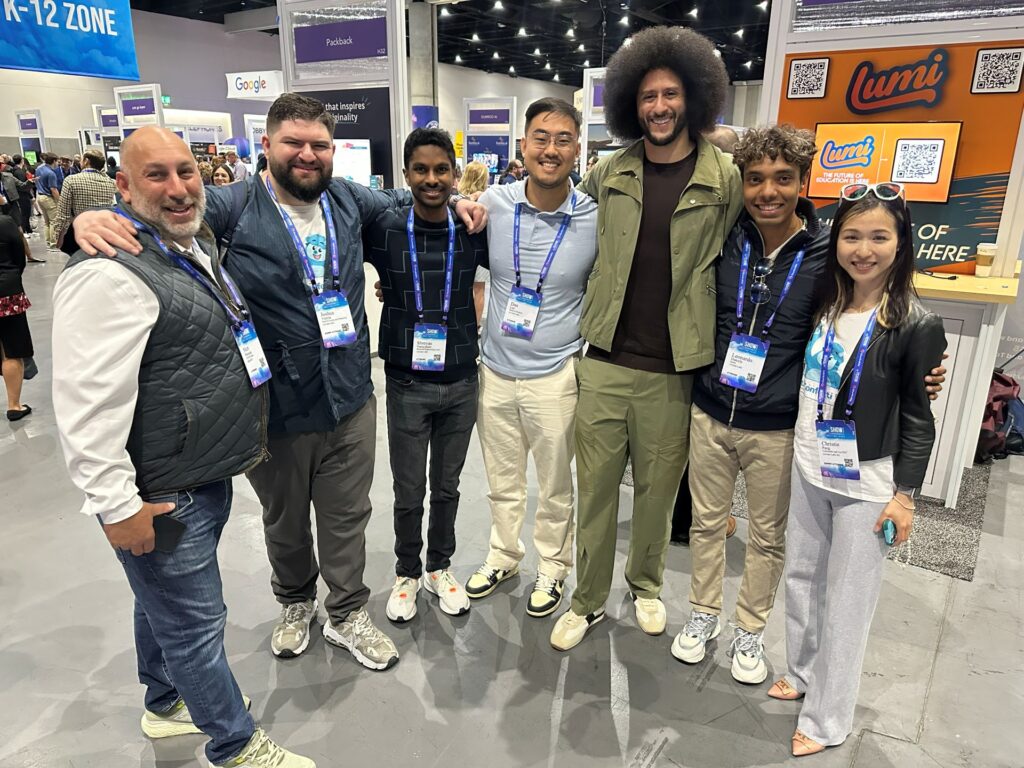
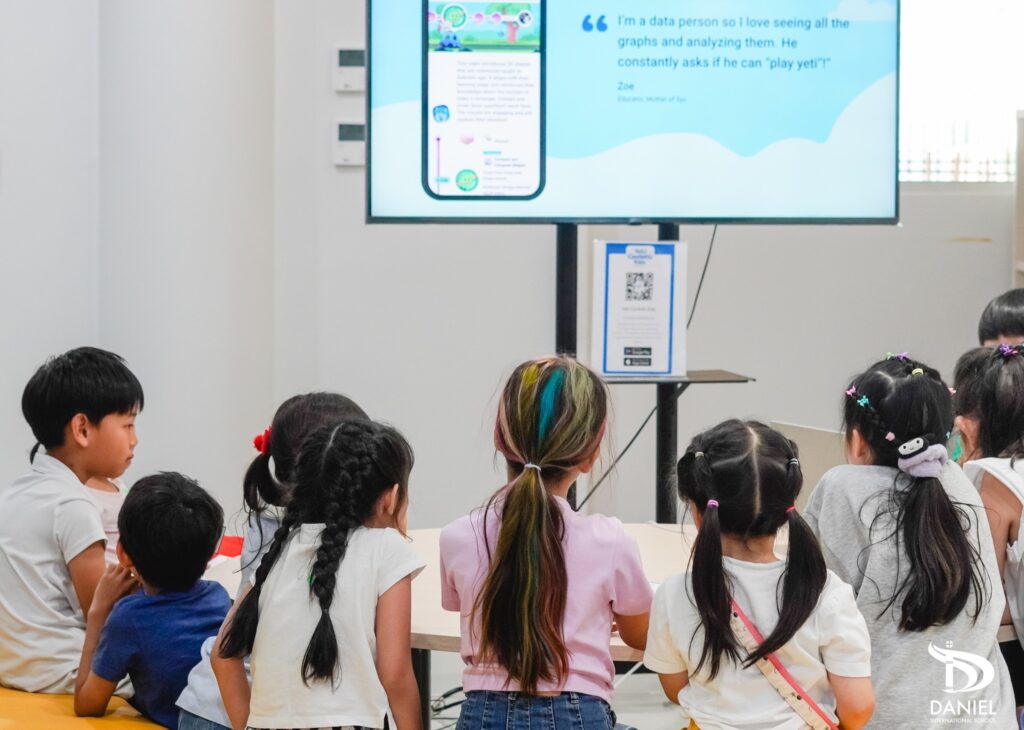
Pang is the co-founder and CEO of Lirvana Labs, which develops AI-powered tools designed to help K-12 students learn through storytelling, reflection and real-world application. Today, Lirvana Labs reaches 1.5 million students globally, including 1.4 million students across New York City and eight states, along with 110,000 multilingual learners across three continents. As artificial intelligence reshapes classrooms and careers, she is focused on who is building the systems that will shape the future of learning.
Her answer increasingly points to SMASH, a national STEM program that provides intensive academic experiences, mentorship and career exposure to high school students pursuing pathways into technology.
Pang was introduced to SMASH through the Kapor ecosystem early in Lirvana Labs’ development. What began as a way to bring on interns quickly became something more.
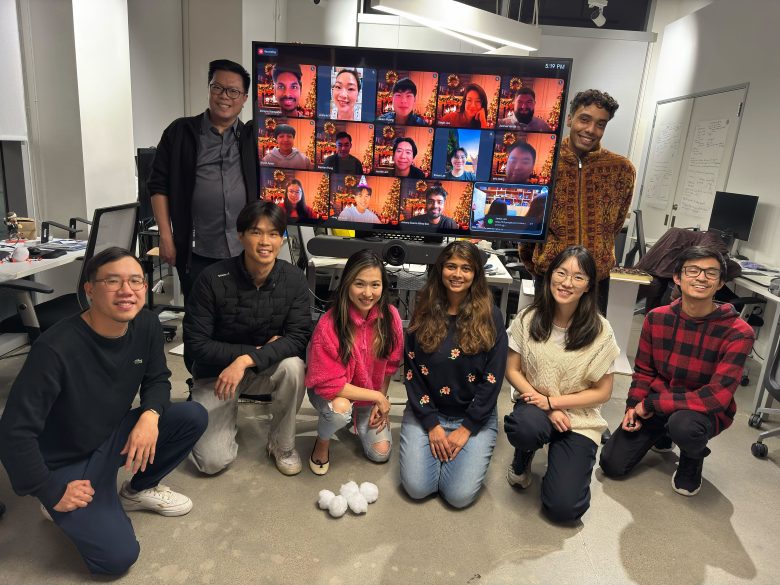
For years, Lirvana Labs has brought on SMASH scholars across engineering, content and product roles. Several started as interns and continued working with the company beyond their initial roles, taking on responsibilities typically reserved for full-time employees.
“We’ve had so many since 2022, and every single one of them, I could not let go,” Pang said. “In fact, I’ve had a few of them that have been with us for three years plus now.”
That pattern has shaped how she evaluates early talent.
“They are just the best people to work with,” Pang said. “They are really inspired by the global reach and also the reach into their own communities that they identify with.”
For Pang, that connection to community directly affects how products are built.
Lirvana Labs develops tools used by students in a range of learning environments, including large urban school systems. Many of those students face challenges that extend beyond academics.
That perspective, Pang said, matters.
“When they see their own communities that they identify with benefit from products that they designed and built, it comes full circle,” she said.
She said that feedback loop strengthens both the product and the people building it.
One example is Leo Daniels, who joined the company to help develop story-based content for young learners. His role expanded quickly.
“He created our YouTube channel,” Pang said. “He drove it to a thousand subscribers within the first year. He then had us hit 4.4 million views and it was all Leo.”
Daniels now leads digital storytelling for the company.
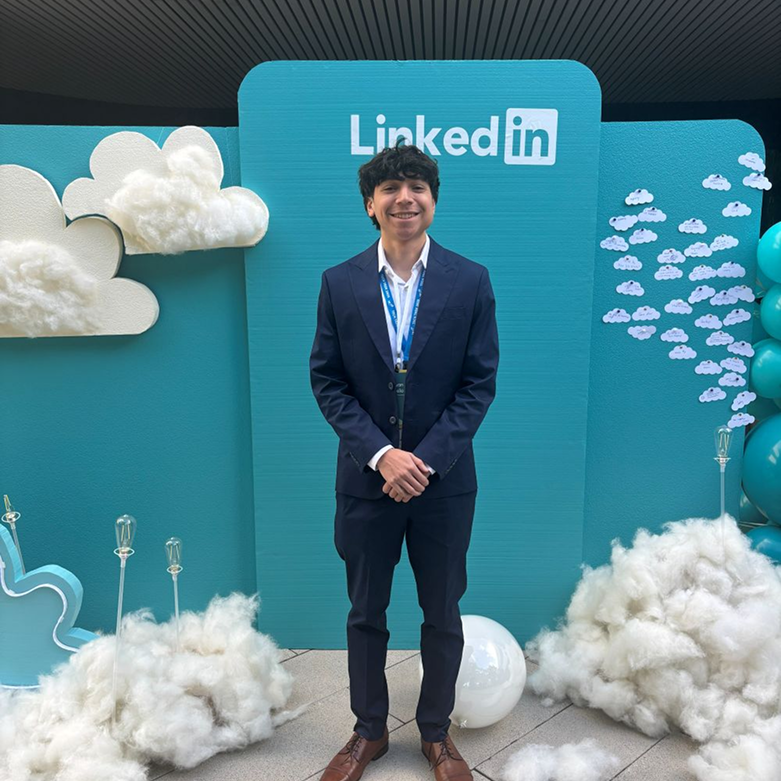
Another example is Bryan Ayala, who joined the engineering team while still in college. Pang said what stood out was how he communicated and operated independently.
“He started out of his own initiative, not just sending me an invoice to pay him, but sending me decisions that he made, highs and lows, asks in a succinct update,” she said.
That level of communication is rare among early-career hires, she said.
“I don’t expect you to do that,” Pang said. “But that is so great.”
Experiences like that have shifted how she defines readiness.
“It is beyond just the work ethic,” she said. “The social emotional maturity, the work readiness is what really stands out.”
Those qualities are becoming more important as AI changes the nature of work. Pang said the future of technology will require more than technical skill.
“I would say don’t second-guess your lack of the traditional,” she said. “There is not a single traditional tech job out there anymore because of AI.”

Lirvana Labs is now exploring ways to build a longer-term pipeline for SMASH scholars, including opportunities to engage directly with the communities the company serves.
“We would love to have those scholars go on site to gather user insight,” Pang said.
For Pang, the goal is not only hiring. It is building better systems.
“We don’t introduce technology to the classroom unless there’s a defined problem,” she said. “And we try to measure whether we have moved the needle to solve the problem.”
That approach reflects a broader belief about opportunity.
“We grew up with the notion that the only barrier to human potential being realized is if anybody paid attention,” she said.
Without that support, she said, progress becomes harder.
“If you don’t have someone or something that is telling you those messages of hope, it is harder,” she said.
Programs like SMASH can play that role for students who may not otherwise have access to those messages.
As SMASH celebrates its 25th anniversary, Pang said its impact extends beyond individual outcomes.
“If you believe in looking at the evidence, looking at the velocity of this human being and how fast and how much they have broken through to determine human potential,” she said, “then you should support programs like SMASH.”
After working with SMASH scholars, Pang is no longer asking whether they are ready for the tech workforce.
She is focused on what becomes possible when more of them are given the opportunity.
Learn more about SMASH’s 25th anniversary and support the next generation of STEM talent at smash.org/25thanniversary.